
【銀座】脱毛/医療脱毛エステサロンクリニック体験おすすめ人気ランキング!口コミ評判
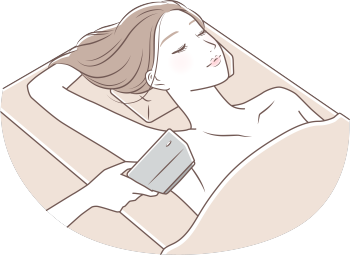
銀座/銀座駅/銀座一丁目駅/東銀座駅、周辺の脱毛サロンで脱毛を体験
銀座で脱毛の美容脱毛/脱毛の医療脱毛
脱毛の魅力
脱毛は、現代の女性たちにとって、美しさと自信を手に入れるための重要なステップです。ムダ毛の処理は、手間や時間がかかるだけでなく、肌へのダメージも考えられます。カミソリ負けや埋没毛といった問題もあります。脱毛サロンでは、これらの悩みを一気に解消し、ツルツルとした肌を手に入れることができます。
脱毛の魅力の一つは、日常のケアが格段に楽になることです。ムダ毛の心配をせずに、好きな服を自由に着られる喜びは、女性にとって大きな自信につながります。また、長期間にわたってムダ毛が生えてこないため、旅行やイベントなどの特別な日に安心して参加できます。
さらに、脱毛サロンでの施術は、専門家による安全で効果的な処理が可能です。最新の技術と機器を使用し、痛みを最小限に抑えた施術が行われます。これにより、脱毛を初めて体験する方でも、リラックスして受けることができます。
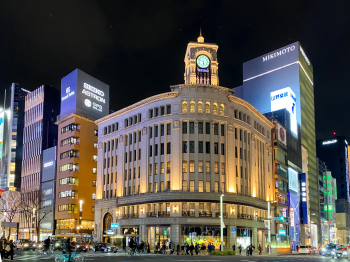
銀座の魅力
銀座は、都心の中でも特に高級感と洗練さが漂うエリアです。多くの高級ブランドショップや百貨店が立ち並び、グルメやアート、ファッションなど、さまざまな楽しみ方ができる場所です。銀座の街並みは、美しく整備されており、歩くだけで心が弾むような雰囲気があります。
また、銀座には多くの高級レストランやカフェがあり、美食家たちを魅了しています。友人と過ごす楽しい時間や、特別な日のお祝いにぴったりの場所です。銀座の街は、季節ごとに変わるイベントや装飾も見逃せません。クリスマスシーズンのイルミネーションや、春の桜並木など、訪れるたびに新たな魅力を発見できるでしょう。
銀座の脱毛サロンで脱毛を体験
銀座には、多くの脱毛サロンがあります。高級感あふれるサロンで、快適な空間とプロフェッショナルなサービスを体験することができます。銀座の脱毛サロンでは、個々のニーズに合わせたプランが用意されており、部位ごとに最適な脱毛方法を提案してくれます。
脱毛サロンでは、専門のスタッフが丁寧にカウンセリングを行い、肌の状態や悩みをしっかりと把握してくれます。施術中はリラックスできる雰囲気があり、痛みも最小限に抑えられています。さらに、アフターケアも充実しており、肌トラブルの心配なく、安心して通うことができます。
銀座の脱毛サロンに通うことで、脱毛だけでなく、銀座の街で過ごす時間も楽しむことができます。脱毛後にショッピングやカフェでのリラックスしたひとときを過ごすなど、銀座ならではの楽しみ方が可能です。
ぜひ、当サイトで厳選してご紹介している銀座の脱毛サロンで脱毛を体験されてみてください!
銀座で脱毛/医療脱毛おすすめ人気ランキング最新版【PR】
シンプルでNOストレス。始めやすくて続けやすいから最短で理想のじぶんに!
最短1ヶ月間隔でスピーディーな医療脱毛。自分の予定に合わせて通えるからスケジュールも立てやすい。
最初に最大3回分予約可能。だから予約がとれない心配はありません。計画的に脱毛に通える。
全身脱毛が実質約40分。1回の施術が短時間で完了。施術も丁寧にしっかり対応。
脱毛以外にかかる費用は0円「当日キャンセル料0円」「解約手数料0円」「背面の剃毛料0円」「初診料/再診料/テスト照射/院移動手数料0円」で料金がわかりやすい。
自信肌を目指せる。幅広い範囲を照射可能だから、隅々までキレイに。
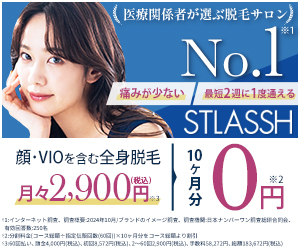
全身脱毛61ヶ所。おでこ含む顔からVIOまで、360度くまなく脱毛できます。
選ばれる理由「2週間に1度通えるから最短6ヶ月で完了」「先進機器の導入で効果バツグン」「連続冷却システムで早いし痛みが少ない」「追加料金0円で顔脱毛とVIO脱毛も含む」。
エレクトロポレーション。電気の力で角層に美容成分を浸透させます。イオンの20倍の浸透力で、脱毛しながら同時にうるおい肌を作り出します。
ISGトリプルアタック脱毛。「IPL脱毛」「SHR脱毛」「STスーパージェル」3種類のメリットを組み合わせて圧倒的な脱毛と美容効果を生み出す脱毛方法です。
回数パックプランや割引プランなども用意されており、わかりやすい料金設定で自分にぴったりのプランを選ぶことができます。
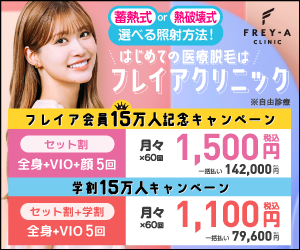
全身+VIO+顔脱毛の全部で35箇所を脱毛できます。
フレイアで採用の脱毛機メディオスターは、痛みが少ない蓄熱式がメインですが、熱破壊式も可能。毛が太い「脇」と「VIO」の照射は蓄熱式か熱破壊式か照射日ごとに選べます。
生理中も施術可能です。ドア付き完全個室。パウダールームもあります。
オプションとして「店舗移動」「剃毛代」「体験照射」「アフターケアクリーム」等が無料で付いてきます。
患者様の毛質・肌質に合わせて施術。毛質は毛量、肌色、肌質によって照射方法を変更。カウンセリングでは医師が肌や毛を診察します。
脱毛のスペシャリストが施術。最適な施術を行うために、厳しい長期研修を修了した、技術力の高い看護師のみが患者様を施術いたします。
※照射方式選択は安心コースのみ。
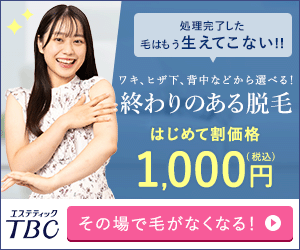
TBCの終わりのある脱毛は一度処理した毛はもう生えてこない脱毛法(美容電気脱毛)を採用しています。毛を一本一本丁寧に処理します。プローブという超極細の器具を毛穴に挿入する技術が必要な施術です。
毛質・毛色・肌色問わず高い脱毛効果が期待できます(産毛や白髪や剛毛でも処理可能)。
初回カウンセリングと脱毛体験コースが同じ日にできるため、即日即効で脱毛できます。
脱毛後はトリプル美肌ケアを行います。コラーゲン・プラセンタ・ヒアルロン酸を配合したジェルで、ツルツル美肌に仕上げます。
全都道府県に店舗があり、サロン移動も可能なので、安心して通い続けられます。
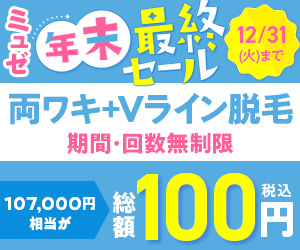
ミュゼオリジナル脱毛方式。新脱毛方式「S.S.C. iPS care方式」。料金そのまま、ミュゼの脱毛がグレードアップ。より早く、より少ない回数で効果を実感。
脱毛しながら美肌ケア。再生医療分野の先端培養技術を応用した美容液「iP トリートメントエッセンス」を使用。毛穴の引き締め。ハリ、弾力のある肌へ導く。トーンアップ。つや、潤いアップ。が期待できます。
永久アフター保証コース。一生涯を通して、何度でも通える、安心のサポート。追加料金はいただきません。
自由にサロンの移動ができます。学校・仕事帰りに気軽に通うことができます。
無理な勧誘はいたしません。24時間いつでも予約・変更が可能。追加料金は一切なし。
じぶんクリニック「銀座」周辺店舗
銀座院
東京都中央区銀座4-6-18 ギンザアクトビル 9F
東京メトロ銀座駅A8出口から徒歩1分
ストラッシュ「銀座」周辺店舗
銀座店
東京都中央区銀座1-6-8 DEAR GINZA 5F
「銀座一丁目駅」徒歩2分
「有楽町駅」徒歩7分
フレイアクリニック「銀座」周辺店舗
銀座院
〒104-0061 東京都中央区銀座5-5-14 JPR銀座並木通りビル4階
東京メトロ「銀座駅」B5出口より徒歩2分
東京メトロ・都営地下鉄「東銀座駅」より徒歩6分
JR・東京メトロ「有楽町駅」より徒歩6分
TBC「銀座」周辺店舗
銀座店
〒104-0061 東京都中央区銀座3-2-10 並木ビル5F
JR有楽町駅
東京メトロ丸ノ内線・銀座線・日比谷線銀座駅
東京メトロ有楽町線「銀座一丁目駅」
有楽町駅前店
〒100-0006 東京都千代田区有楽町1-7-1 有楽町電気ビル南館B1F
東京メトロ日比谷駅
JR有楽町駅日比谷口